
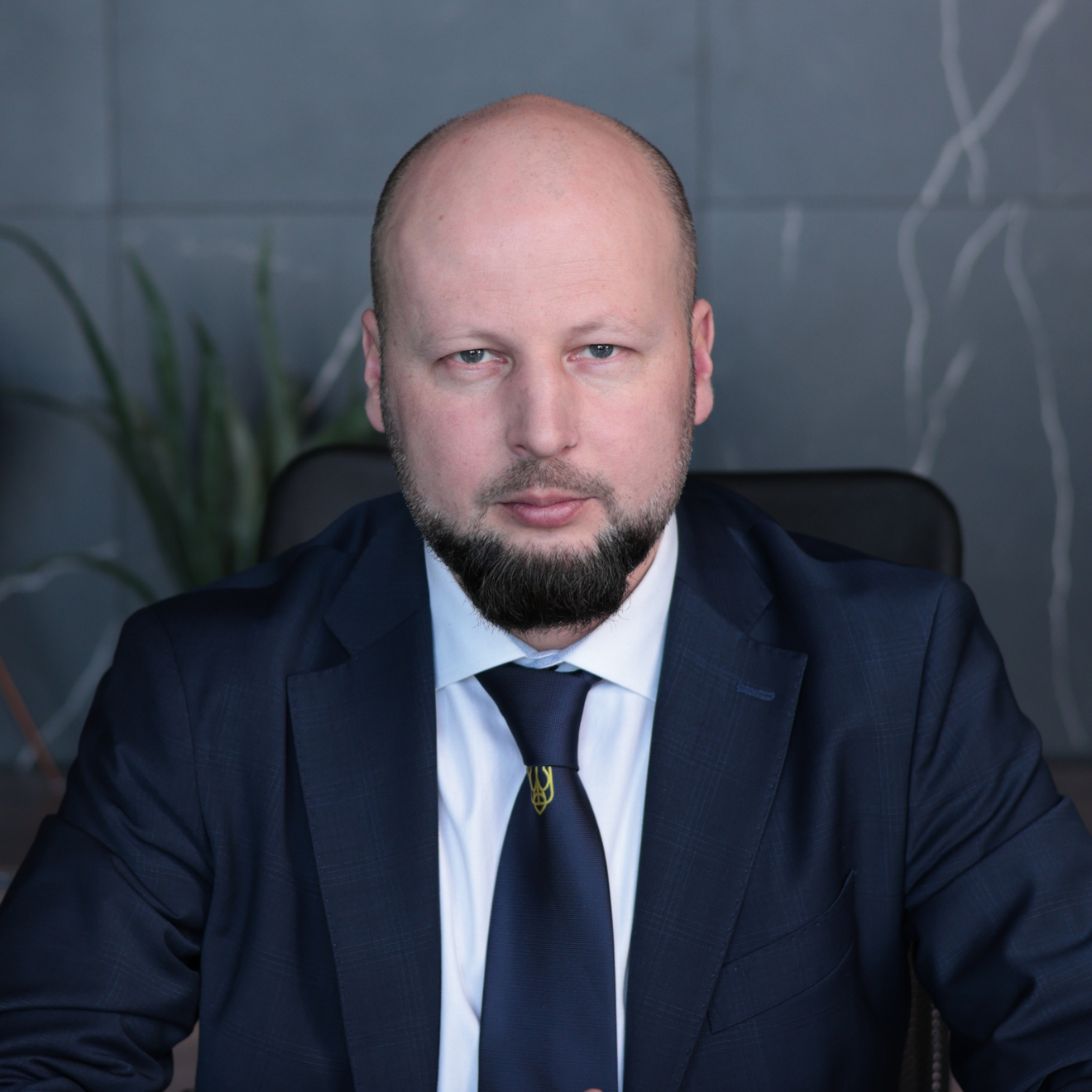
Statement of the Ukrainian Deminers Association Chairman of the Board Tymur Pistriuha
Dear partners, friends and colleagues!
We at the NGO Ukrainian Deminers Association are proud to implement a gender-sensitive approach to our activities, recognizing diversity as a force that makes our organization stronger, more effective, and fairer.
Gender equality for us is not just a formality. It is the foundation of our mission and activities, because only through justice and respect can we create a safer and better future for everyone we work with. Every day of our work proves to us that equality, inclusion and respect for diversity are also the path to efficiency and success.
Our people-centered policy is based on the Law of Ukraine “On Ensuring Equal Rights and Opportunities for Women and Men”, which promotes the development of an inclusive society and ensures the implementation of gender-sensitive policies in all areas of our activity. Our commitments to society and donors are based on the Women’s Empowerment Principles (WEPs) – a global UN initiative that promotes gender equality, namely:
- Establishing leadership at the highest level.
Ensuring that gender equality is supported as the organizational and part of the organization’s culture. - Equal opportunities, inclusion and non-discrimination.
Establishing a system of employment, career development and remuneration that excludes discrimination on the basis of gender. - Health, safety and welfare of workers.
Ensuring safe and healthy working conditions for all workers without discrimination. - Education and professional development.
Investing in developing the skills and potential of all employees, regardless of gender. - Promoting leadership and women’s involvement.
Supporting women by creating conditions for career development and ensuring equal access to resources. - Supporting gender equality through engagement with society.
Ensuring a gender-sensitive approach in engagement with partners, suppliers and communities. - Transparency, monitoring and public reporting.
Implementation of a system for monitoring and evaluating the implementation of gender policy, as well as regular reporting on progress.
Recently, we have developed and adopted a number of policies and strategies aimed at ensuring equal rights and opportunities for all participants and partners of our organization. We have also developed the “Code of Conduct for Partners and Suppliers of the Ukrainian Deminers Association, which ensures that our relations comply with the standards of gender equality, ethics and transparency.
We encourage all our partners to join our Code of Conduct and create an inclusive, fair and safe environment to work and collaborate.
Together, we are changing standards, shaping a new culture and creating a world where equal opportunity is a reality.
Best wishes,
Chairman of the Board of the Ukrainian Deminers Association
Tymur PISTRIUHA
General Provisions
UDA recognizes the safety of adults and children as its priority. The organization is committed to ensuring that no beneficiary or community member with whom UDA interacts in the context of its programs or activities is subjected to violence, exploitation, abuse of power, or inappropriate behavior by any person associated with UDA’s work.
Such persons include:
- all UDA employees (members, staff, interns, volunteers, consultants, contractors, employees receiving monetary incentives);
- partners, sub-grantees, suppliers, and project implementers;
- visitors (journalists, donors, representatives of partner organizations, etc.).
The policy applies to both working hours and situations outside of work, including behavior at home, in the community, and in personal relationships, if such behavior could affect the safety and well-being of beneficiaries or the reputation of the UDA.
Who does the policy protect?
Adults
The policy protects any adult (aged 18 or older) who directly benefits from programs implemented or funded by UDA.
Other vulnerable adults and adult community members with whom UDA may interact during the implementation of programs are also protected.
Children
UDA protects all children under the age of 18 with whom the organization interacts through its programs or who may be affected by the activities of UDA or its partners.
The policy aims to ensure that:
UDA programs are designed and implemented with the interests of the child and adult beneficiary in mind;
all beneficiaries—adults and children—are protected from all forms of violence, abuse, exploitation, neglect, and neglect;
no UDA project, employee, or partner causes harm to the people with whom the organization works;
safety risks were identified in a timely manner, and cases of inappropriate behavior were promptly reported and properly addressed.
Special requirement:
Partners and subcontractors who have direct contact with children must adhere to higher safety standards and comply with all provisions of this policy.
General provisions
Sexual exploitation and abuse (SEA) is a serious violation of human rights, and when committed by a humanitarian aid worker, it is considered a gross violation of human rights. People affected by war and other humanitarian crises are particularly vulnerable to sexual exploitation and abuse due to the asymmetrical power relationship between beneficiaries and those providing assistance.
Policies on protection from sexual exploitation and abuse apply to all categories of the organization’s personnel.
The SEA policy applies at all times, during working hours and outside working hours, during travel and during any type of leave (annual leave, sick leave, childcare leave, etc.). The SEA policy applies both within the territory of the UDA and beyond its borders. All persons involved in the implementation of projects are obliged not to damage the reputation of the organization.
The policy on protection against sexual exploitation and abuse in Ukraine is based on the following regulatory principles:
- The Constitution of Ukraine,
- The Laws of Ukraine “On Ensuring Equal Rights and Opportunities for Women and Men”,
- The Criminal Code of Ukraine,
- The Code of Administrative Offenses of Ukraine,
- The UN Convention on the Elimination of All Forms of Discrimination against Women,
- The UN Protocol on Combating Sexual Exploitation and Abuse,
- Bulletins of the UN Secretary-General “Special measures for protection from sexual exploitation and sexual abuse” dated 09.10.2003,
- Key principles of the UN Task Force on Protection from Sexual Exploitation and Abuse in Humanitarian Crises dated 2002.
In 2002, the Inter-Agency Standing Committee (IASC) approved six core principles against SEA, which were also included in the UN Secretary-General’s Bulletin on SEA:
- Sexual exploitation and abuse by humanitarian aid workers are acts of gross misconduct and therefore grounds for termination of employment.
- Sexual relations with children (persons under the age of 18) are prohibited regardless of the age of majority or age of consent at the local level. Mistaken belief about a child’s age is not an excuse.
- Exchanging money, work, goods, or services for sex, including sexual services or other forms of degrading or exploitative behavior, is prohibited. This includes exchanging for assistance provided to beneficiaries.
- Any sexual relationship between those providing humanitarian assistance and protection and a person receiving such humanitarian assistance and protection that involves the misuse of rank or position is prohibited. Such relationships undermine trust in humanitarian assistance and its integrity.
- If a humanitarian aid worker has concerns or suspicions about sexual violence or exploitation by a colleague, regardless of whether that colleague works for the same organization or not, he or she must report it through the established organizational mechanisms for reporting such unacceptable behavior.
- Humanitarian aid workers are required to create and maintain an environment that prevents sexual exploitation and abuse and promotes compliance with their code of conduct. Managers at all levels have a special responsibility to support and develop systems that maintain this environment.
UDA has zero tolerance for sexual exploitation and abuse. Anyone who violates these principles will be held accountable.
The purpose of this policy is to:
- Define our responsibilities as an organization and how UDA achieves its goal of adhering to and supporting our zero-tolerance approach to fraud, bribery, and corruption in our work, including with any third party with which UDA interacts; and
- Provide information and guidance to those working at UDA on how to recognize and combat fraud, bribery, and corruption.
If the provisions of this policy conflict with any applicable laws or regulations, the higher standards should always be followed to ensure that UDA’s activities comply with all applicable laws and regulations.
- All UDA employees, including employees, volunteers, interns, contractors, consultants, and agents, are responsible for complying with this policy.
- UDA employees must ensure that third parties working with UDA are informed and understand their obligations under this policy.
- Each supplier, partner, and consultant must confirm their awareness of and compliance with the principles of this policy as part of their contractual relationship with UDA.
All employees must complete mandatory anti-corruption training within the first two months of employment and be able to confirm that they have completed it.
Key provisions:
- UDA strives to act professionally, fairly, and honestly in its work. UDA takes its moral, legal, and ethical responsibilities very seriously and has implemented effective systems to protect against fraud, bribery, and corruption within our organization.
- The UDA adheres to a “zero tolerance” approach to fraud, bribery, and corruption, which means that the UDA is committed to the highest standards of governance, accountability, and ethical behavior.
- All employees of the Ukrainian Deminers Association are responsible for taking all necessary and appropriate measures to prevent, deter, and detect fraud, bribery, and corruption within their area of responsibility.
- UDA employees must consider the risks of fraud, bribery, and corruption at the outset of any new activity and take practical measures to mitigate these risks through a comprehensive assessment of fraud risks at the program development stage.
- The UDA is committed to taking all necessary measures, including disciplinary, legal, and other actions, in light of any detected facts of fraud, bribery, or corruption involving individuals (including those who committed fraud and/or those who knew about such fraud but did not take any action). Following any incidents of fraud, bribery, or corruption, UDA will take steps to review its controls and protocols to identify and address any gaps or weaknesses.
- UDA employees found guilty of bribery and corruption may be subject to criminal prosecution.
- UDA is responsible for fully informing our Donors and Members of the organization about any suspected fraud involving their funds and for providing relevant information in a timely manner.

Gender prioritization in demining
The demining process includes several stages: collection of data (non-technical survey), mapping, marking mined areas, clearance of areas from mines and explosive…

Not just a man’s job: an interview with a female sapper about her career choice, challenges and motivation
Published on November 4 in Bukvy media. When you hear the word “sapper”, the image of a man in camouflage, who is…

Training of the UDA team
Members of the Ukrainian Deminers Association (UDA) and the humanitarian sector continue to improve their knowledge. Project managers of the UDA Anikina…
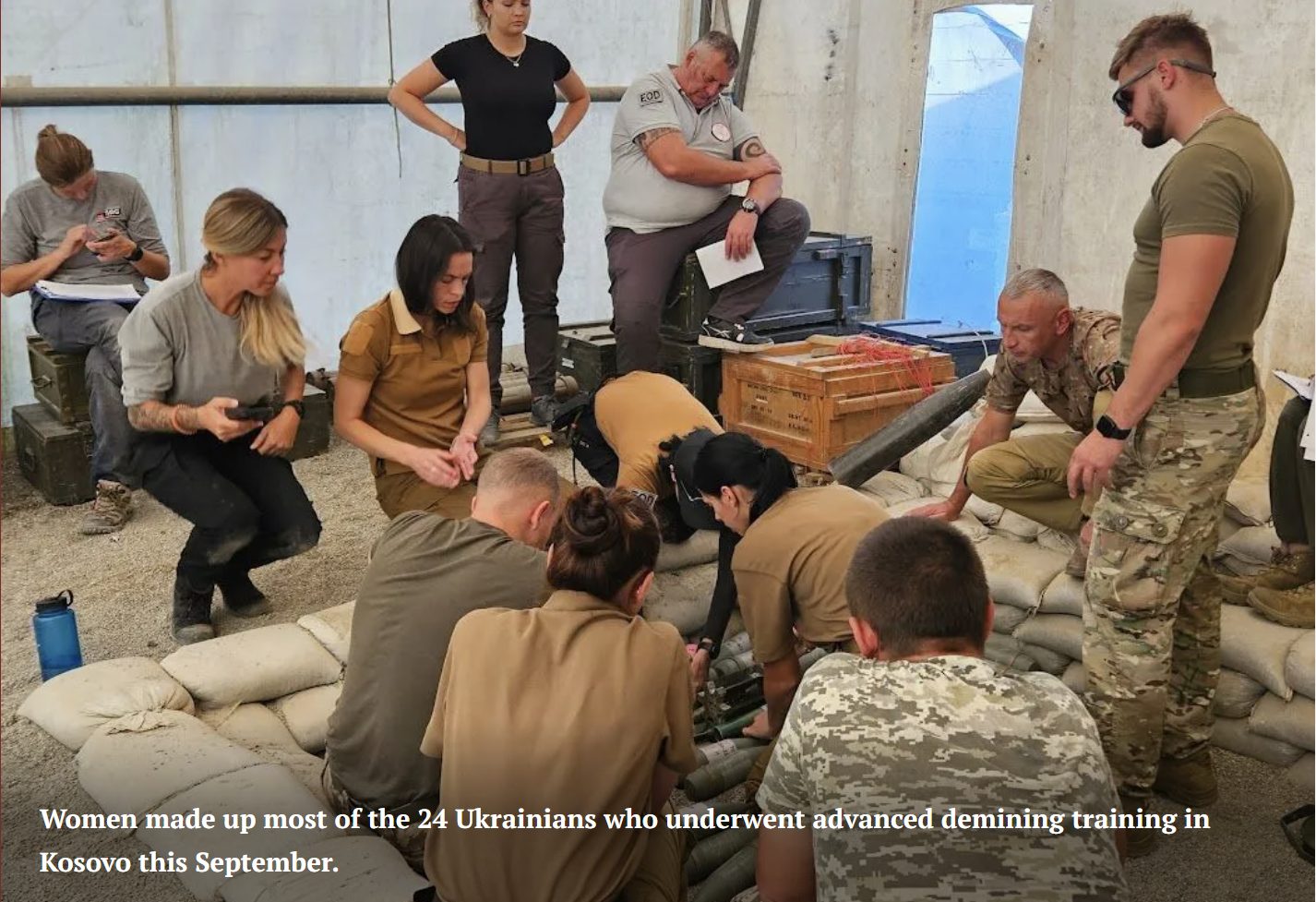
An article in the international magazine Transitions Online is about the training of female UDA sappers at the MAT Kosovo training center, in particular, about Nataliia Myronenko and Iryna Kustovska.
The article reveals their fates, their path in humanitarian demining, the challenges they overcome due to the war, as well as the importance of training at MAT Kosovo for combating explosive threats in Ukraine.

The UN Mission in Canada released an analysis of gender mainstreaming in mine action by key actors in Ukraine, following the full-scale russian invasion of Ukraine. One of such actors is an NGO Ukrainian Deminers Association
(#6 in the list).